Murchison Falls National Park has two dry seasons and two wet seasons, and they are not interchangeable. Each one changes what the park looks like, what is visible, and how the wildlife moves through it.
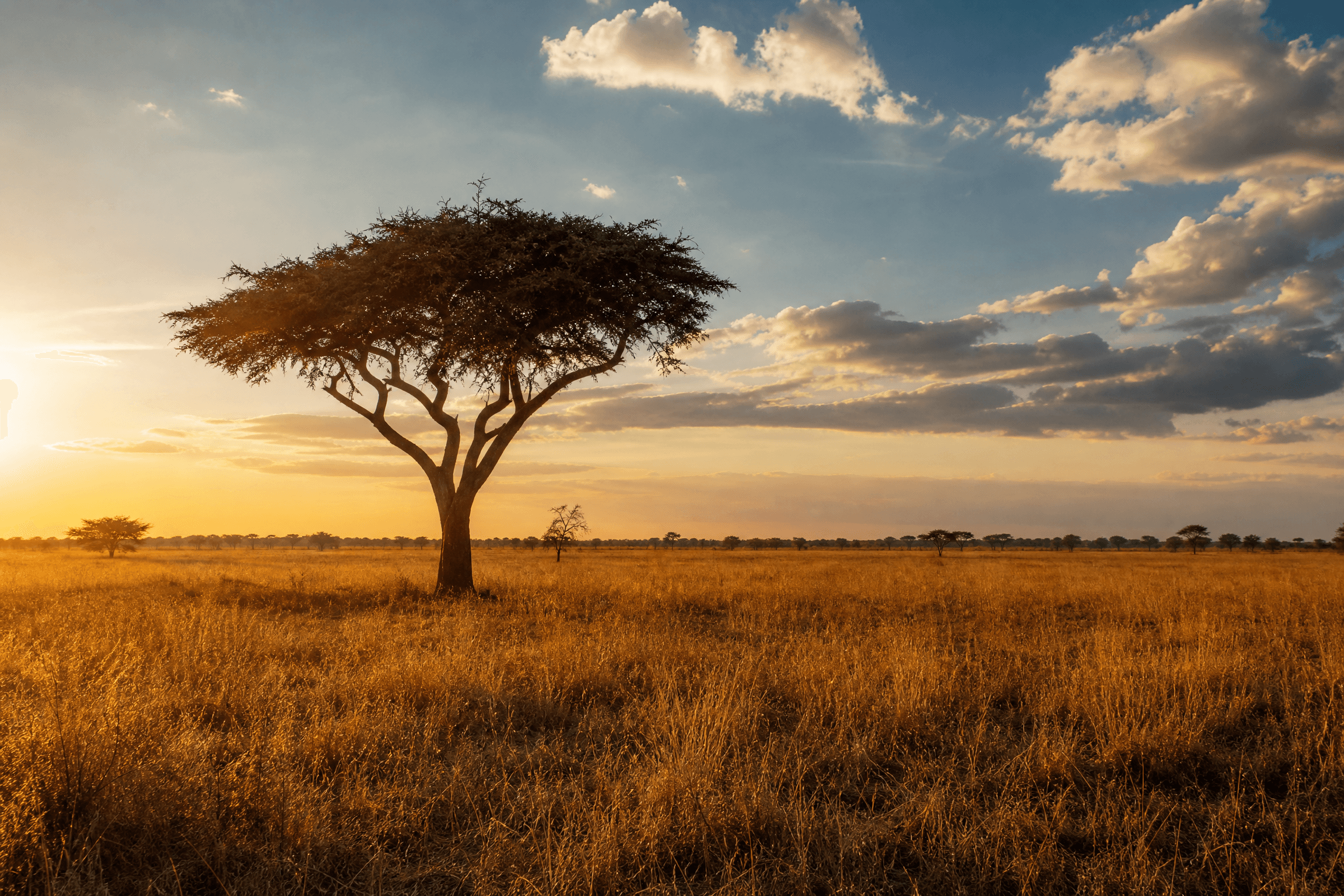
The primary dry season runs from June to September. The grass sits low, the bush opens up, and wildlife concentrates around the water sources that remain. Game viewing is at its most reliable during these months, and the light in the early morning and late afternoon carries the quality that most safari photographs are made of. The secondary dry season runs from December to February and offers similar conditions at a slightly different angle of sun.
The wet seasons — March to May and October to November — bring something different. The vegetation fills in, the landscape turns a green that the dry months never quite reach, and the park empties of most of its visitors. Birding is exceptional during these months, as migratory species arrive and resident birds come into breeding plumage. Some tracks become difficult after heavy rain, but the falls themselves are at their most dramatic, carrying the full weight of the season's water through the gorge.
The Nile and the falls are present year-round. The boat safari runs in all seasons. Wildlife is always here — the seasons change the conditions under which you encounter it, not whether you encounter it at all.
See the full Destination guide for practical information on getting to the park, what to bring, and what the weather actually feels like at different times of year.